
The Mystery of the Pyramids – Part 1
Despite all the doom and gloom on the internet about politics and global affairs, the story about the Khafre SAR Tomography Project has really sparked my curiosity. Let’s take a deeper dive and examine the findings in more detail, plus I’d like to include my take on the matter.
I’ve always been fascinated by the pyramids and even visited them last year. That’s only one of the reasons a pyramid features in Seven Point Eight: Beyond, although these recent findings came as a surprise.
The Khafre SAR Tomography Project has captivated the world with its groundbreaking claim of discovering a vast underground network beneath Egypt’s Giza Pyramids. Using advanced Synthetic Aperture Radar (SAR) technology, a team of researchers has allegedly mapped a series of subterranean structures, sparking excitement and controversy in the archaeological community. This advanced radar technology combines satellite radar data with naturally occurring seismic vibrations to produce images of underground formations.
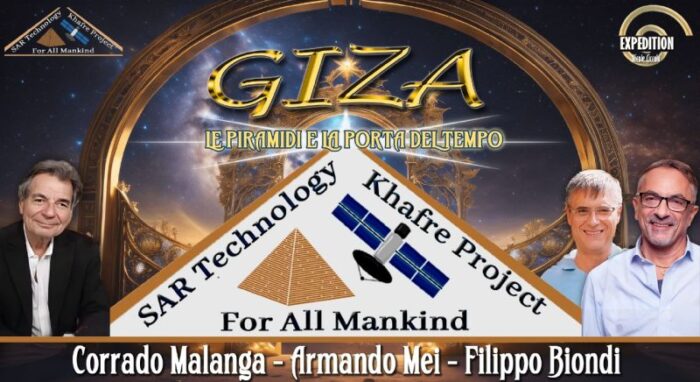
The research team led by Professor Corrado Malanga from the University of Pisa and Dr. Filippo Biondi of the University of Strathclyde recently published findings that suggest an extensive, multi-level structure exists beneath the Khafre Pyramid, the second-largest pyramid on the Giza Plateau. The scans appear to show five interconnected multi-level structures near the pyramid’s base, eight cylindrical wells extending over 650 metres into the ground, and two massive chambers measuring 80 metres each side. The team developed three-dimensional diagrams from these initial scans, further igniting both excitement and controversy. These formations, if confirmed, could reshape our understanding of ancient Egyptian architecture.
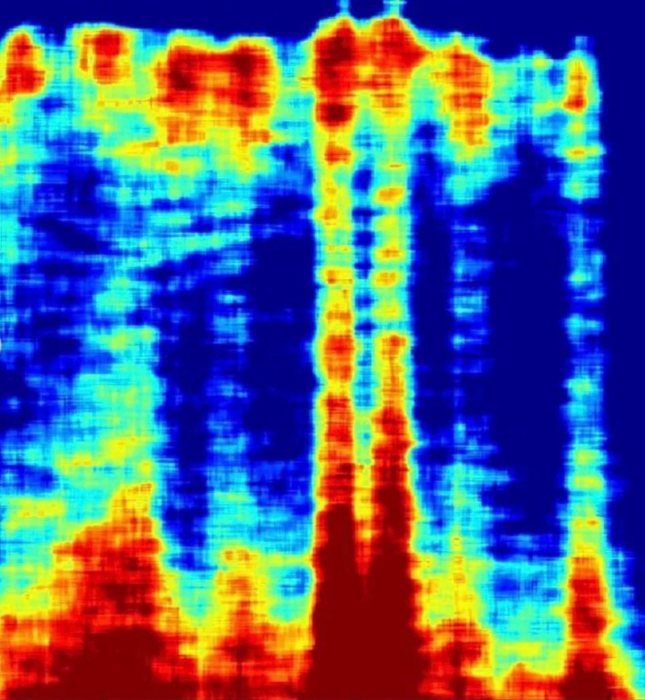
It comes as no surprise that many experts refute the claims, such as Dr Zahi Hawass, the world-renowned Egyptologist who dismissed the findings as “fake news.” He argues that no archaeological evidence supports the existence of such underground structures and questions the reliability of SAR scans at such extreme depths. In short, he is a controversial figure who can be more obstructive than helpful when it comes to uncovering the truth. Similarly, Professor Lawrence Conyers, a specialist in radar imaging, remains sceptical. He explains that ground-penetrating radar has limitations, and the technology may not be capable of producing detailed images at the reported depths.
However, this particular method is not simply radar because it measures micro movements usually generated by background seismic waves. It is a relatively new technique, with the first paper on the method published in 2022. That particular study used the technique to scan the interior of the Great Pyramid. While it appeared to highlight known chambers, the level of correlation wasn’t high. One thing that puzzles me though is how they produced the 3D models currently circulating on the internet. It seems like a large hypothetical jump from the initial scans to these complex diagrams.
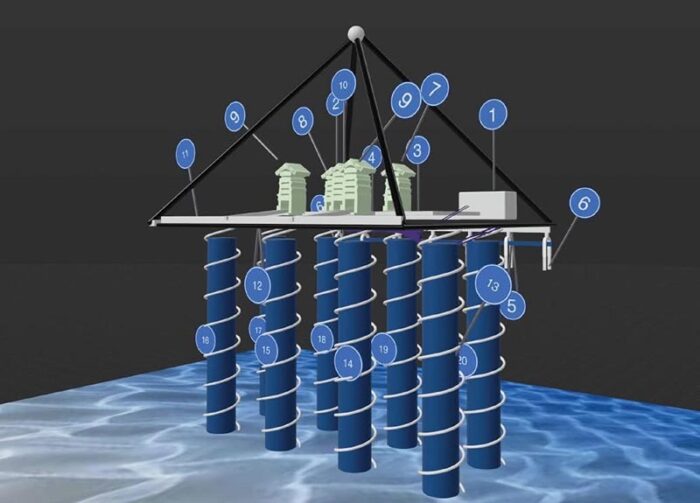
Despite scepticism from the academic community, the project has captured the public’s imagination. Enthusiasts speculate about the potential significance of these underground structures, with some drawing parallels to theories about ancient energy grids and hidden chambers. Social media platforms have been flooded with artist renderings of the underground city, fuelling debates on whether Egypt has been hiding lost knowledge beneath its pyramids for centuries. I think people are genuinely excited, especially considering their enduring mystery.
Some theorists suggest that Egyptian authorities may prevent excavations to keep these secrets buried. Certainly, such hidden structures may suggest that the pyramids are much older than the traditional narrative states, which would threaten their status as Egyptian heritage. That would provide a motive for refuting the findings without offering the opportunity to investigate further.
For the project to gain broader acceptance, the findings must be peer-reviewed and supported by additional scientific studies. There’s a growing consensus that further scans are necessary, especially ones that survey known buildings to demonstrate credibility. Until there are more investigations, the debate continues: are we on the verge of rewriting history, or is this another archaeological mystery that will remain unsolved? Many of us would like the findings to be true and they do seem incredulous, and this factor may obscure the objectivity of the analysis. For now, I’m keeping an open mind and would like to see further studies.
In part two of my pyramids special feature, I’m going to explore the esoteric and mythological aspects of the pyramids, leading us closer to the connection with the Seven Point Eight series. Look out for the series of newsletters and don’t forget to return to the website for more instalments!